


Disclaimer: This review is based solely on my own personal opinion and experience with these insoles. Your experience may differ from mine, as fit and performance can vary depending on your feet, footwear, and running style.
Reviewer context: flat feet/low arches, US 8.5 Men, 60 kg marathon runner.
Background
For about a year to a year and a half that I wore insoles when I first got into marathon training, I heard about carbon plated insoles and was I was intrigued. It wasn’t until earlier this year, I discovered that Superfeet had their own! After receiving a pair courtesy of Superfeet, I wondered, could Superfeet’s Run Pacer Elite insoles turn my daily trainers into speedy racers?
Specs
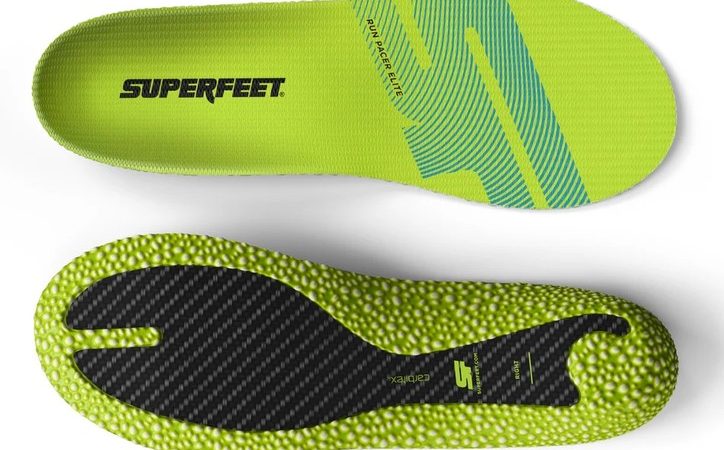
I went with their size D (M7.5-9 or W8.5/10). Arch height is for all types with maximum thickness and mid cushion. The foam they use is SuperRev, a microcellular thermoplastic polyurethane (MTPU) foam and the beads you see in the photos are expanded TPU (eTPU) foam. Shoes that use variations of the eTPU foam include: Saucony Ride 18, Adidas Ultraboost 5X, and the Salomon Aero Glide 3. Superfeet’s Run Pacer Elite insoles use a carbon plate is called Carbitex, that helps boosts propulsion like in many in today’s supershoes.
Fit and first impressions
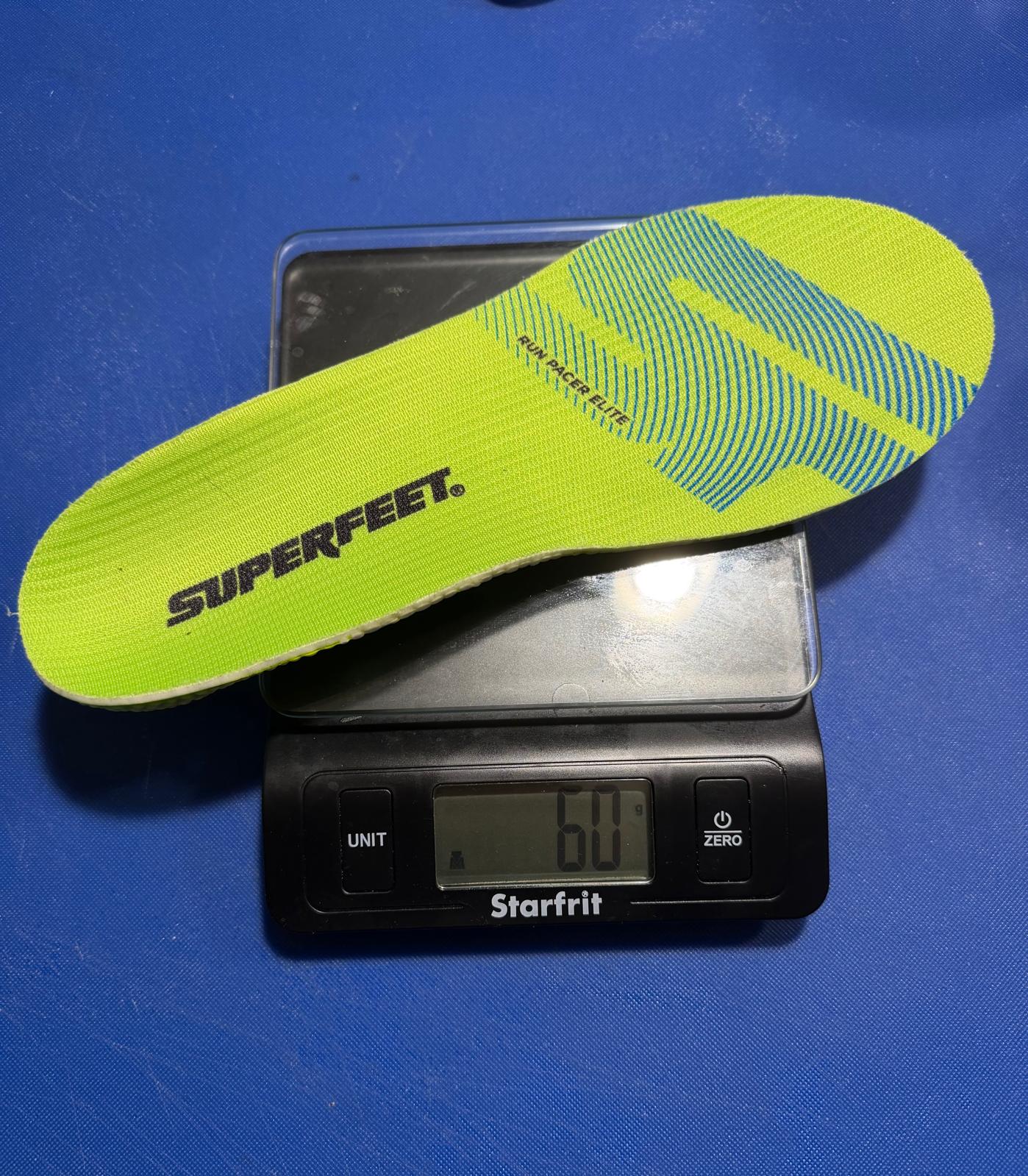
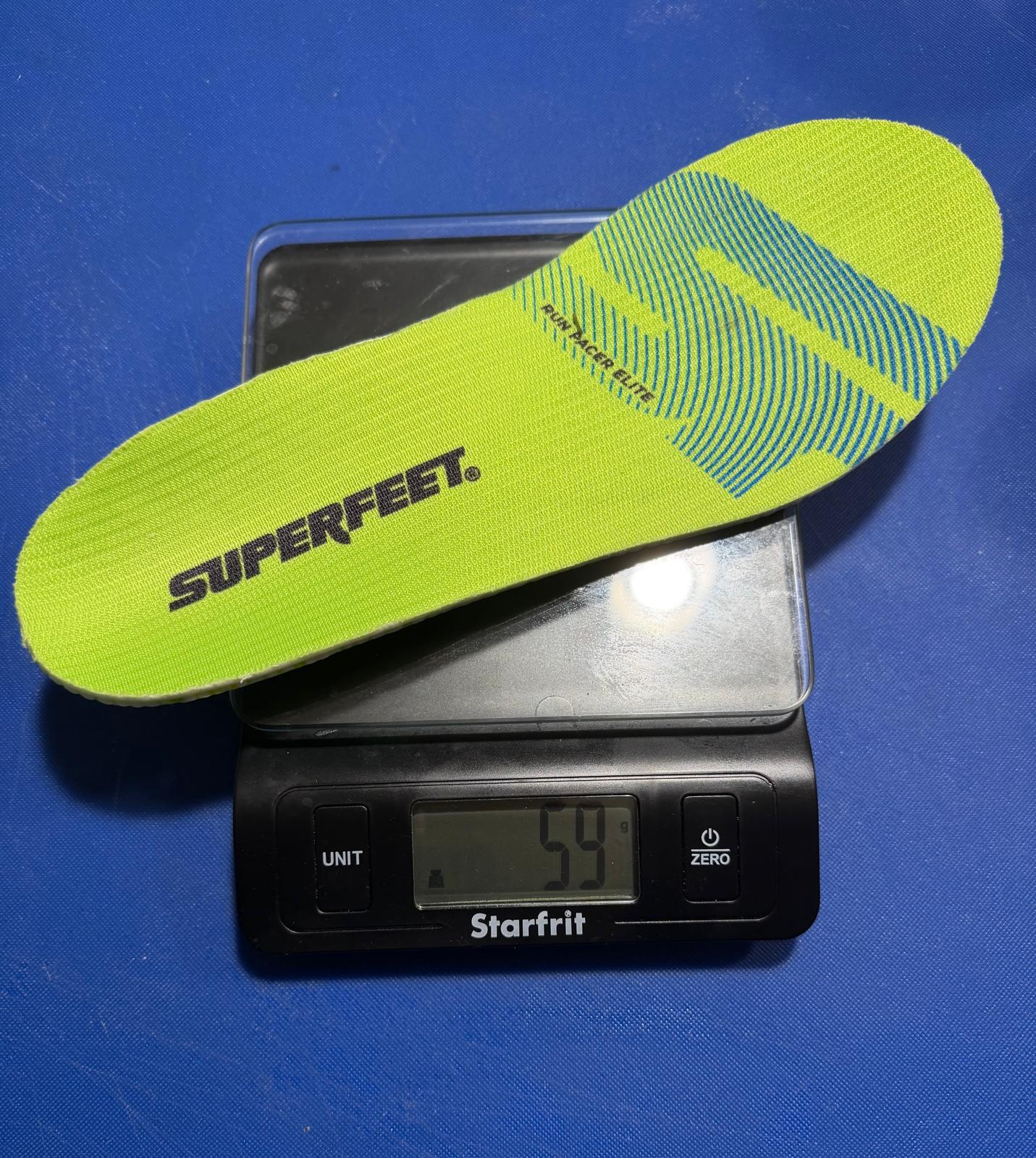
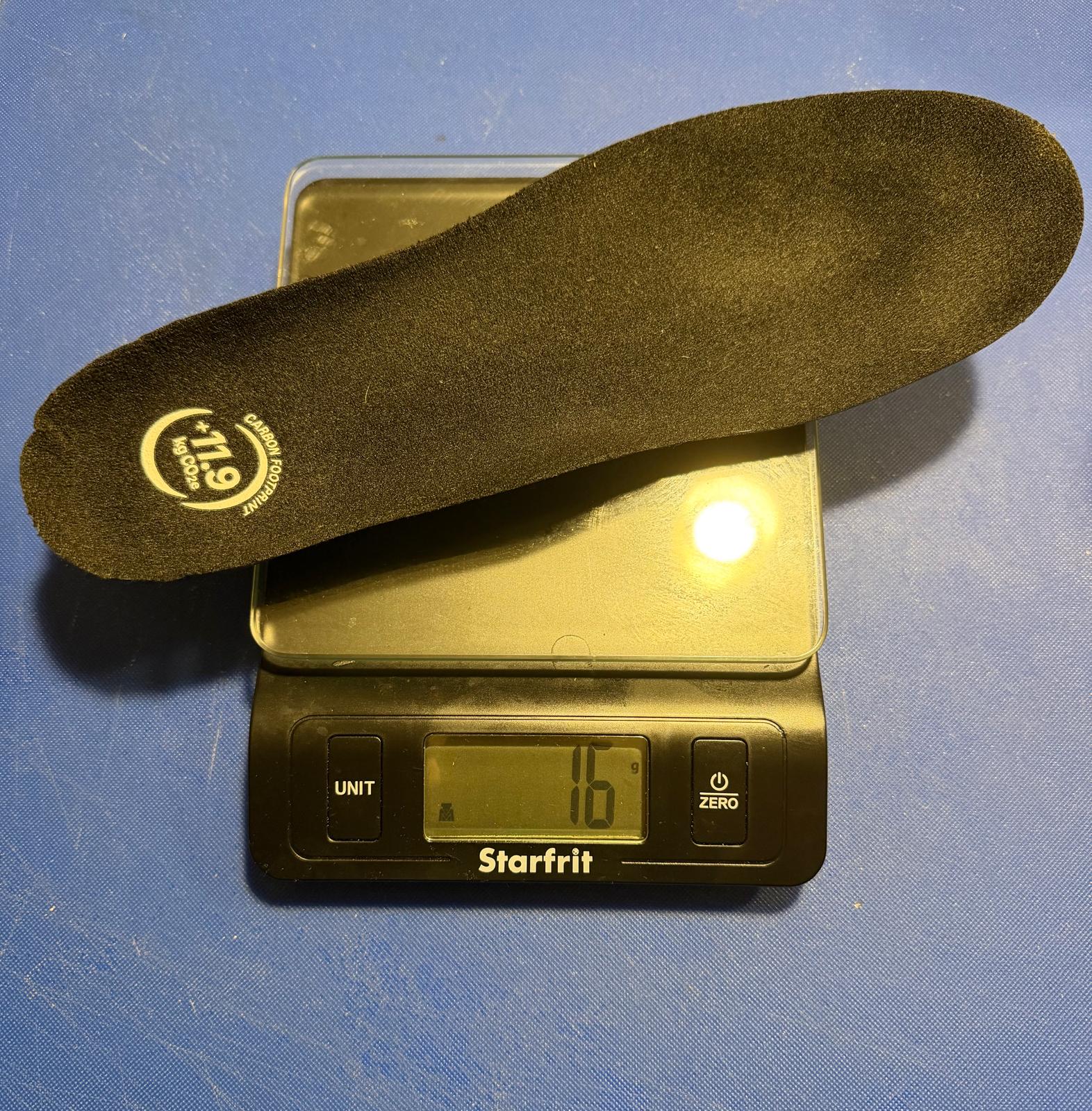
These felt heavier than my other insoles and when measuring out their weights, I got 59g for the right and 60g for the left, compared to ~40g that I’m used to. With the stock insoles weighing ~15-16g each, the Superfeet Run Pacer Elites add about an extra 44g per shoe.
I did not have to trim the insoles done to size for my current running shoes but when inserting these insoles and trying my shoes on, the first thing I noticed is the volume. The max-thickness insole left my feet with less space for comfort, however this was easily solved by loosening the laces. If you have larger feet though, this may be an issue. Best to find a pair of your trainers with a lot of room to try these insoles with. The next thing I noticed was the carbon plate. Not the responsiveness or cushion but the hard carbon plate. There’s simply not enough foam in the mid and forefoot to hide the feeling of the hard carbon plate under the insoles. In super shoes, the carbon plate is deep within the foam so you won’t feel it but with Run Pacer Elite insoles, the carbon plate has nowhere to hide.
Running
I tested the Run Pacer Elites in my ASICS Novablast 5’s and at easy pace, they’re okay. Besides feeling the hard carbon plate with each step, the insole is just a, well, insole. Nothing to write home about here.
For running tempos and even a 10K race at tempo speed, I chose the Dynafish Xiaonian for it’s light weight. The insoles came alive when I picked up the pace. The insoles were flexible during the landing and forward rolling stages and then stiff and springy through the toe-off and propulsion. Running at tempo felt easier to sustain but I still felt the hard carbon plate with each step.
Conclusion
As much as I want to love these and if you couldn’t tell from reading this far, the feeling of the hard carbon plate is off putting and makes it difficult to recommend these insoles, especially if you already have a speed workout shoe. However, if you don’t have a pair of shoes for speed work and have a favourite non-plated daily trainers, maybe this is something you’re willing to try without investing in another shoe. Alternatively, this would be a good way to track the mileage on your shoe on Strava, where you don’t need to stop activities to rotate shoes for the warm-up and cool-downs.
David’s imaginary rating system, 3/5.
Where to get them: You try them on and purchase the Superfeet Run Pacer Elite insoles in-store at the Running Free Markham location or purchase them online here.